
rest stops: thriving in the thresholds of altadena
Donate through our fiscal sponsor, Headlands Center for the Arts.
Apply to host a Rest Stop on your fire-affected property.
mission:
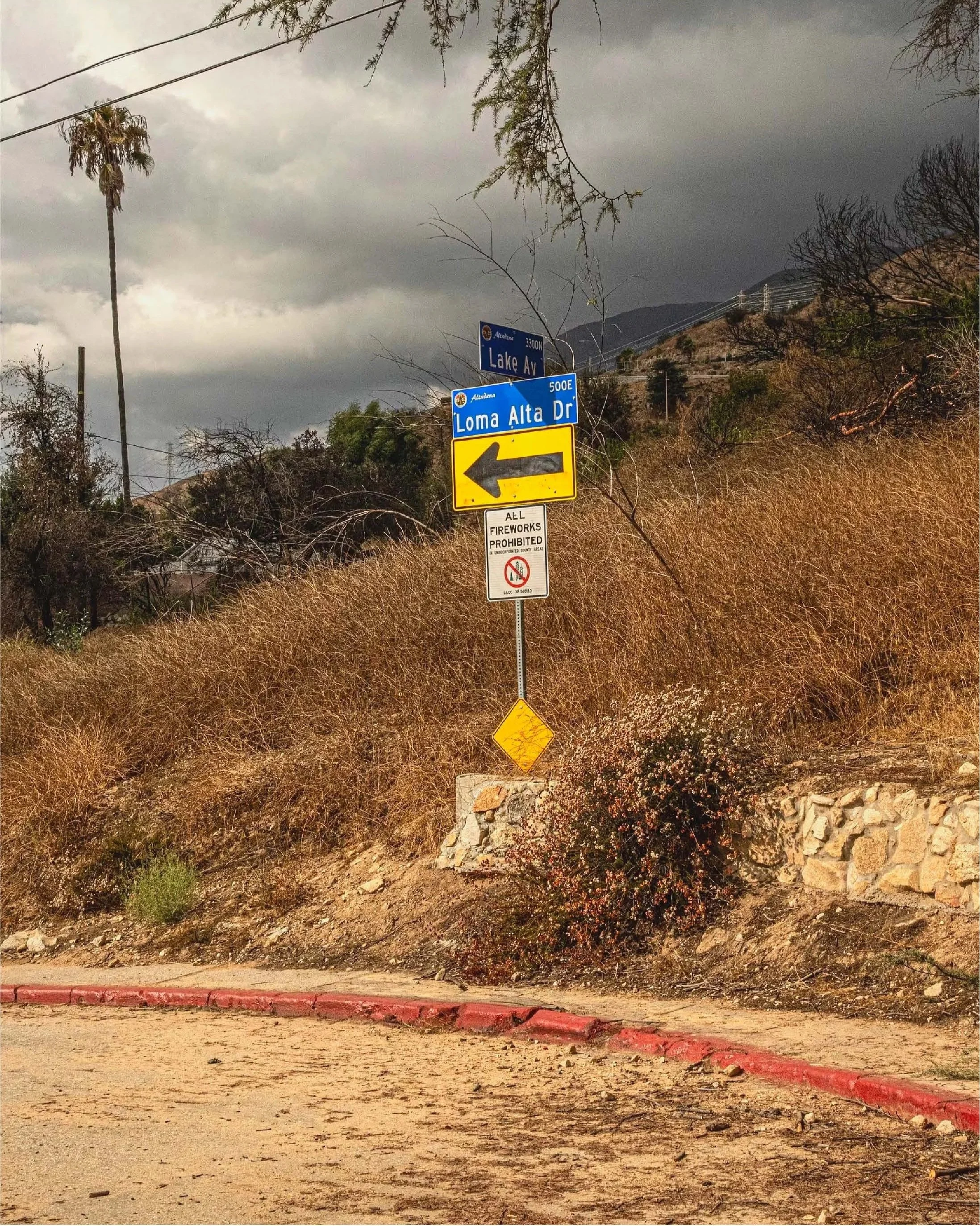
Rest Stops is a post-wildfire garden initiative in Altadena, California, led by artist and native Kenturah Davis. In the aftermath of the loss of her family homes in the Eaton Fire, Kenturah envisions a series of sensory gardens offering moments of rest and renewal amid the scorched landscape. Inspired by Black quilting traditions, the project will stitch together a network of green spaces designed to heal both land and community. With the goal of installing ten gardens by 2028 - at zero cost to residents- Rest Stops reimagines public and private thresholds- offering resilient, restorative spaces that nurture both people and the environment.
Altadena: A Rich History & Ecological Sanctuary
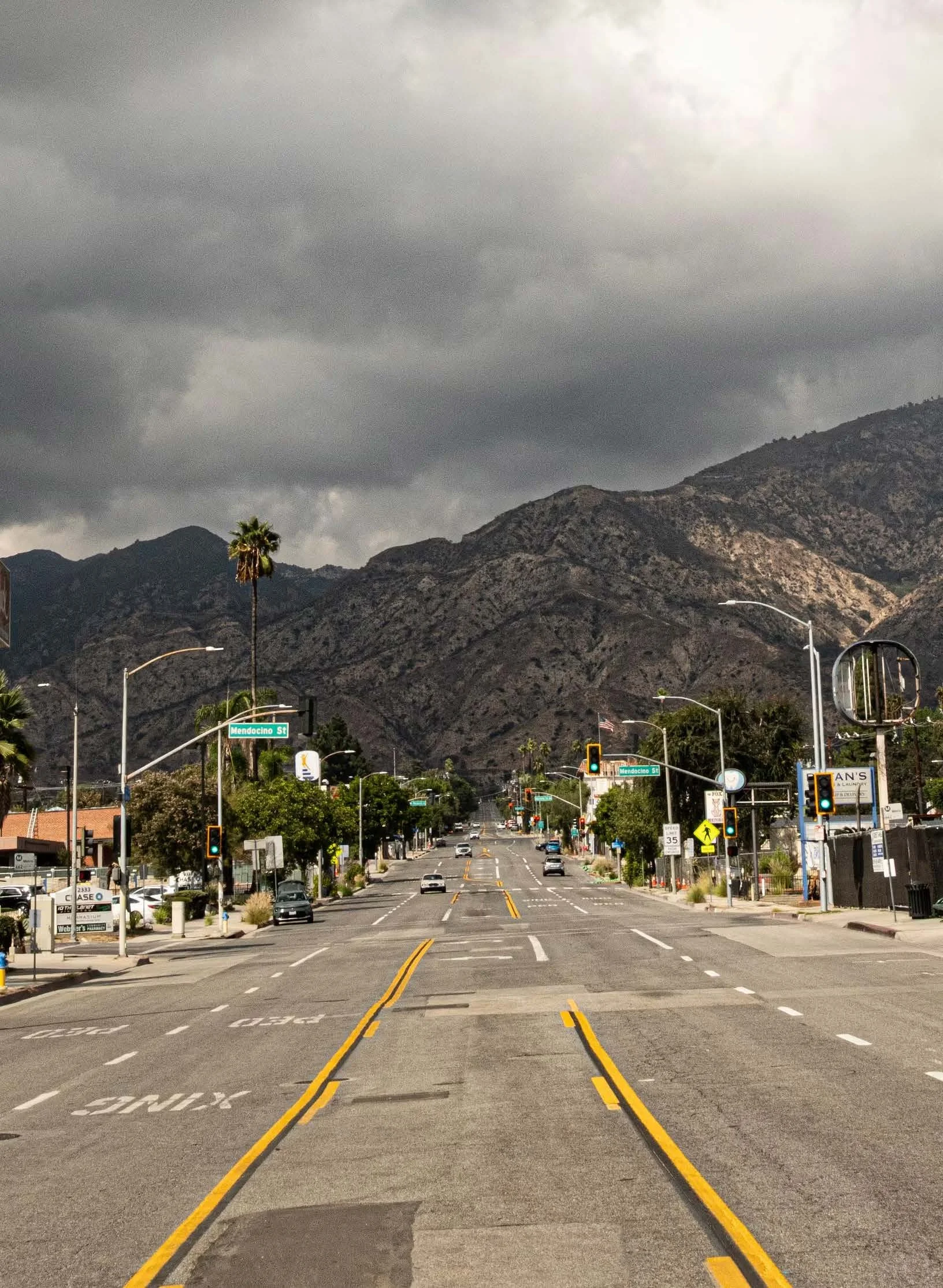
CREATING COMMUNAL GREEN SPACES THAT INVITE REST AND REFLECTION, WHILE CULTIVATING SPACES THAT SAFEGUARD ALTADENA’S BLACK LEGACY.
Altadena, nestled in the San Gabriel foothills, has long been a refuge, especially for Black families who built generational stability and cultural vibrancy despite redlining and housing discrimination. For decades, it stood as one of the few places in Los Angeles County where Black homeownership flourished. Today, the aftermath of the Eaton Fire, rebuilding costs and limitations threaten that legacy—placing generational wealth and long-standing community ties at risk. In response, this project proposes to bridge the timeline of recovery by creating adaptive gardens using natural materials to support reflection, resilience, and ecological renewal. As families throughout Altadena rebuild, these spaces aim to help safeguard belonging, continuity, and rootedness in Altadena.
““Every seed we plant is a prayer for the future. It’s a quiet revolution, an act of hope and healing in a world that needs both.””
Rest Stops: Design Features
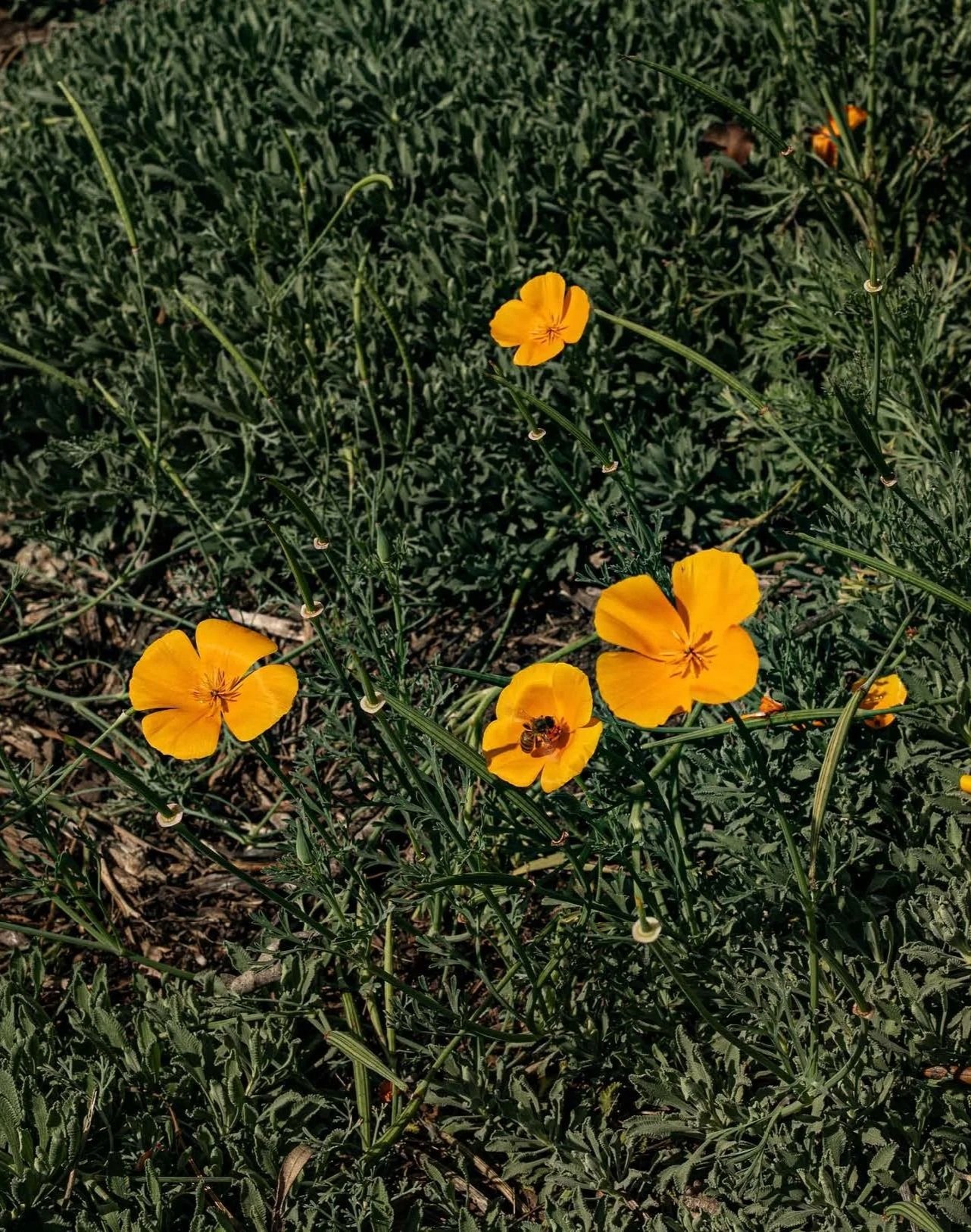
GREEN SPACES FOR HEALING, ROOTED IN COMMUNITY
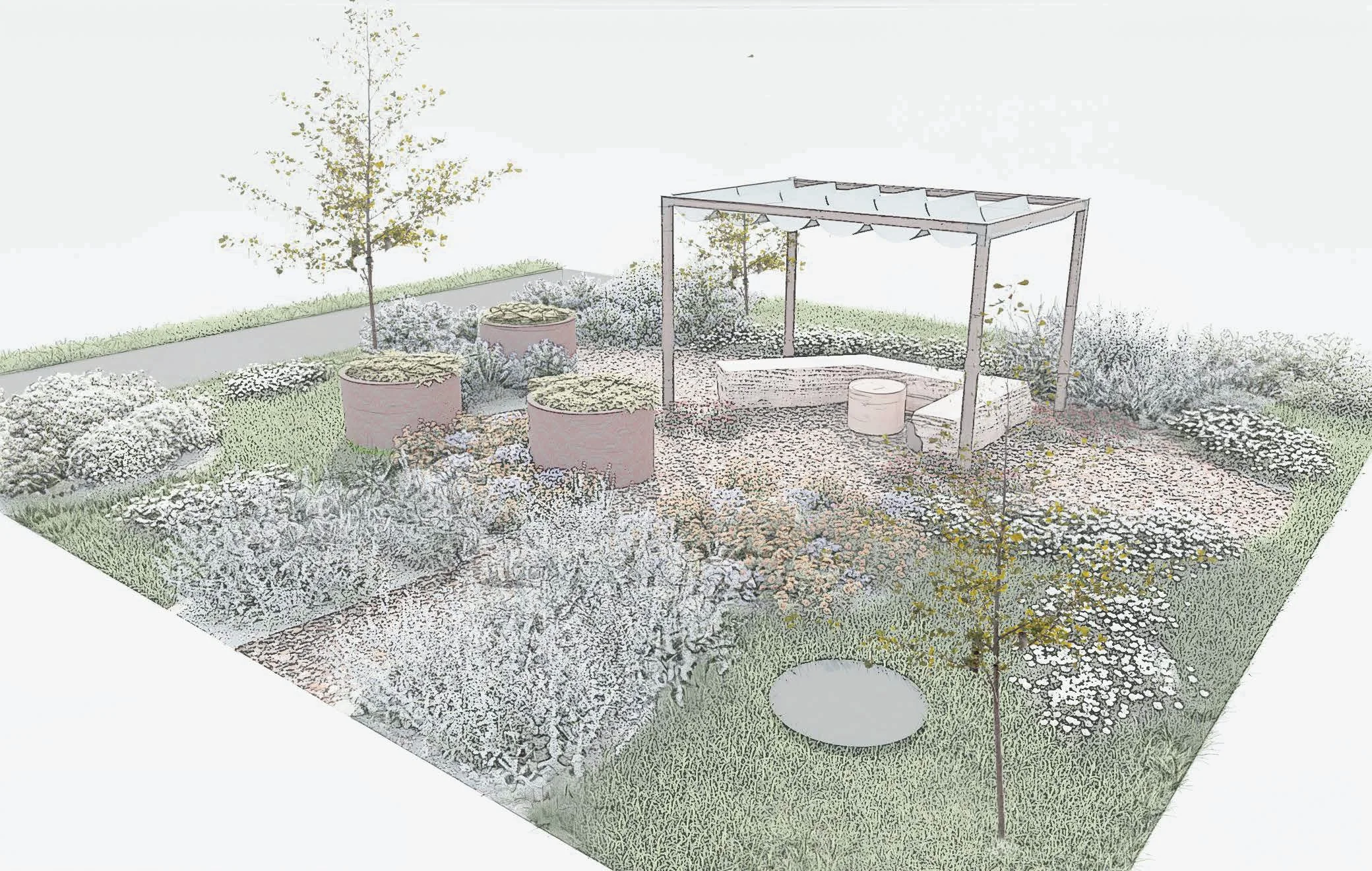
Rest Stops invites families who lost their home into this partnership to install native plants, shade and artfully designed seating at the front edge of their lot, so that it can help restore connection between themselves, the land, their neighbors and wildlife. each garden will be scaled so that the layout won’t impede future construction. Each garden design will feature seating, shade, water, edibles and aromatherapy with a largely native plant selection positioned at the front edge of each site. They will also support soil remediation and lay the groundwork for restoring the natural habitats that have long defined Altadena’s foothills. We will source material through a local mill who created a wood bank where trees that were felled in the aftermath of the fire could be repurposed for the rebuilding of Altadena.
design element mockups:
-
![]()
1 of 9
-
![]()
2 of 9
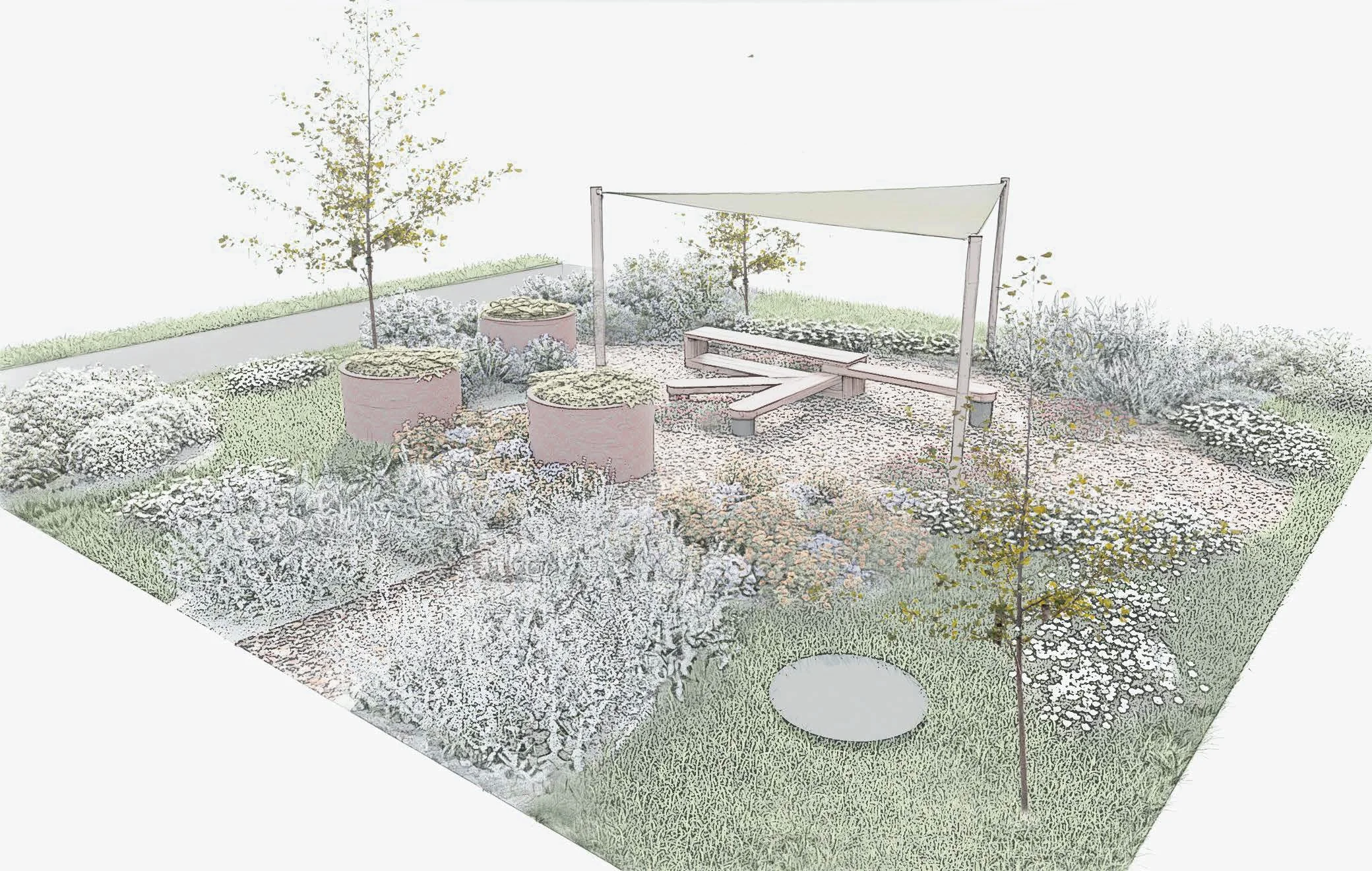
community use
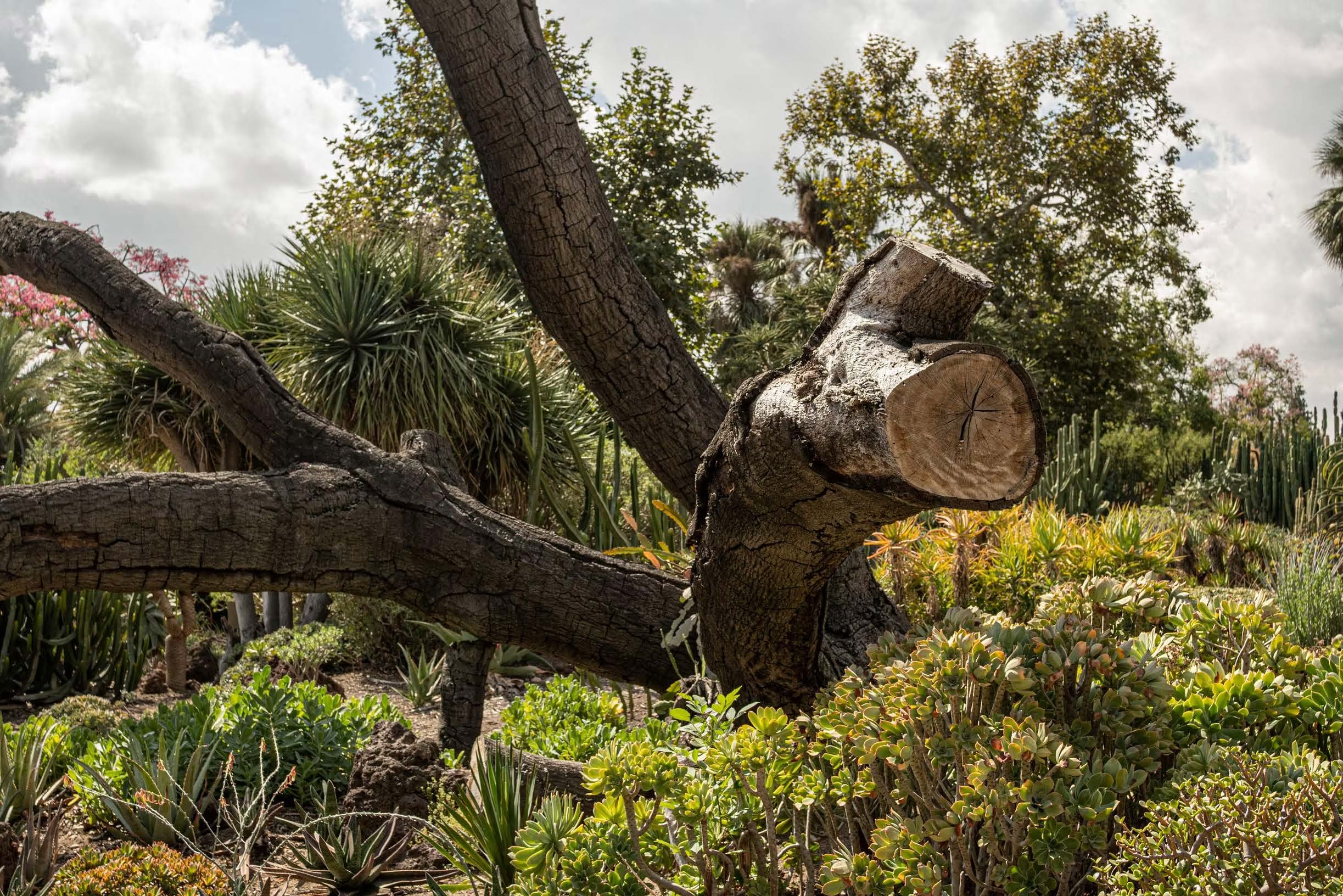
pedestrian rest stops:
A place to pause and sit as one moves through the neighborhood; an oasis of greenery inserted among other sites in various stages of reconstruction. Areas for rest, mindfulness, and personal reflection amid natural surroundings.
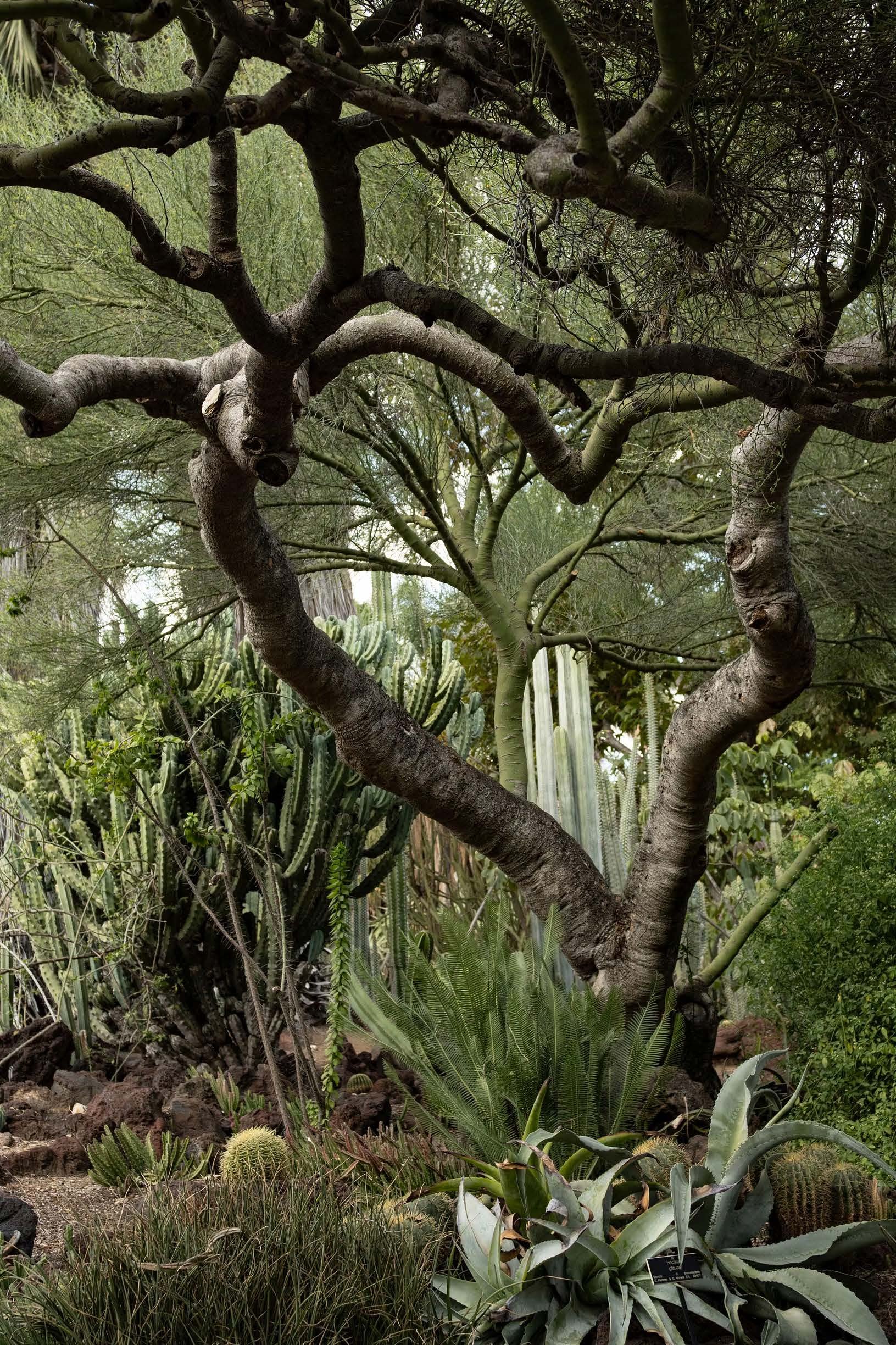
walking tours:
Guided tours to each of the gardens can demonstrate the range of planting possibilities and connect neighbors with each other.
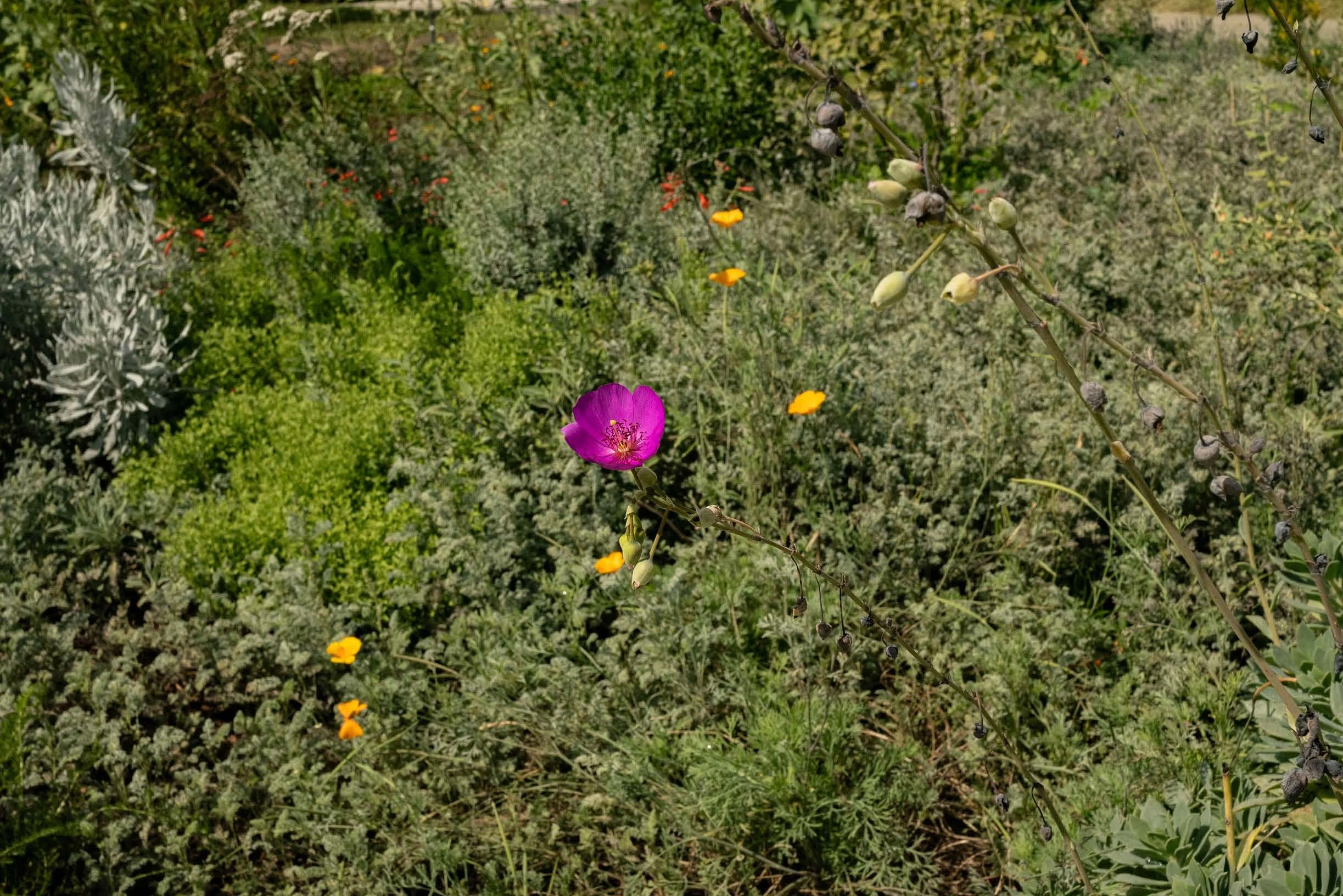
educational environmental workshops:
Spaces for residents, especially youth, to learn about native plants, fire resilience, medicinal and ecological restoration. Landscaping, culinary and natural dyeing workshops will be facilitated using the garden harvests.
The impact of gardening on well‐being, mental health, and quality of life
An umbrella review which included 40 studies(10 interventional studies, 2 observational studies, and 28 mixed interventional and observational studies)was published in 2024. The reviewed studies reported an overall positive impact of gardening activities on several measures of mental well-being, quality of life, and health status. Meta-analysis showed a significant and positive effect of gardening and HT activities on well-being (effect size (ES) 0.55, 95% confidence interval (CI) 0.23, 0.87, p<0.001).
Panțiru etal. Systematic Reviews (2024)
I. Panțiru 1A. Ronaldson 2, N. Sima 3, A. Dregan 4 and R. Sima 1
get involved:
Donate through our fiscal sponsor, Headlands Center for the Arts.
Apply to host a Rest Stop on your fire-affected property.